

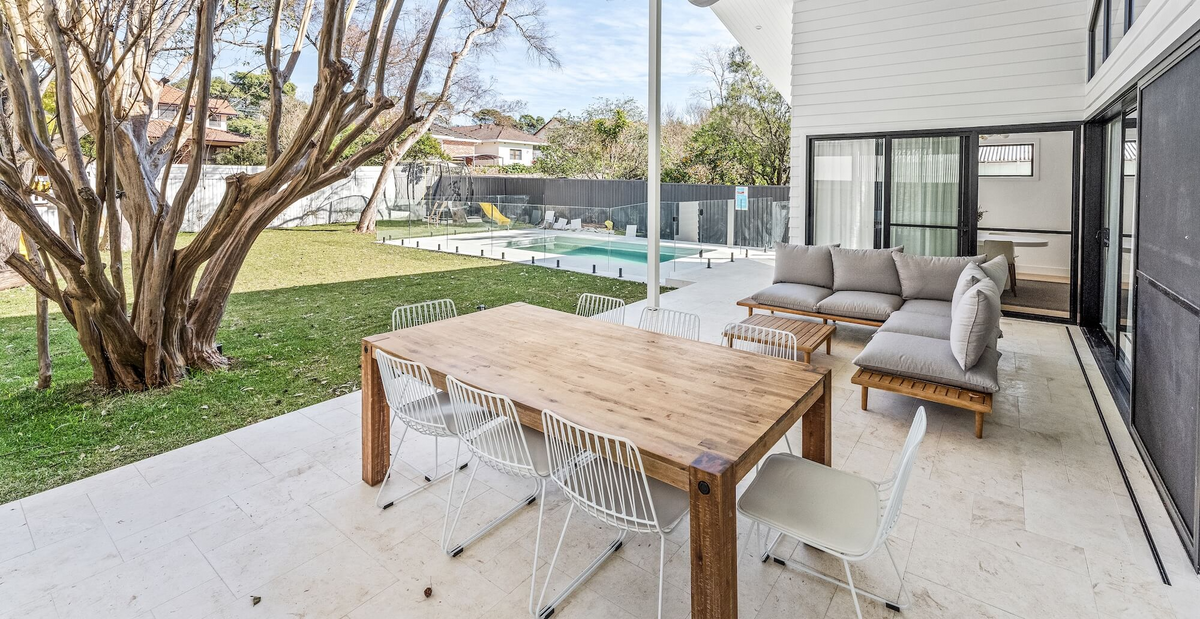
You picked up the pavers, booked the tradie and saved dozens of photos of your dream backyard. Then the first big storm arrives, the deck is too hot for bare feet by 10 am and water is sitting against the back door.
That’s not bad luck. It’s what happens when the pretty decisions come before the practical ones.
The most common outdoor renovation mistakes are ignoring Australia’s climate, choosing the wrong materials, poor drainage, odd colour combinations, unrealistic budgets and skipping council checks. Getting these details checked before construction can save a lot of money and time on repairs.
Outdoor renovations cost too much to learn through trial and error. This guide covers the mistakes Australian homeowners make most often, with simple fixes for each one, so the space you build is the one you actually wanted.
Common Outdoor Design Mistakes and How to Avoid Them
| Mistake | What Goes Wrong | Easy Fix |
|---|---|---|
| Picking on looks alone | Surface struggles with Aussie sun, rain or wear | Check the finish suits outdoor use |
| Ignoring drainage | Water pools can damage your flooring in the long run. | Plan surface falls and stormwater flow |
| Skipping samples | Colours look different in natural light | View samples outside at different times of day |
| Rushing the layout | Tight seating and awkward walkways | Mark out the design before work begins |
| Underestimating costs | Surprise expenses mid-project | Budget for groundwork plus a 10-15% buffer |
| Leaving lighting for last | Costly changes after installation | Plan wiring and lighting at the start |
What are the Common Outdoor Home Renovation Mistakes?
Most mistakes come from rushing into the fun part, like choosing finishes, before the practical decisions are made. Here is a quick view of what to avoid.
Let’s understand everything in depth.
1. Don’t Forget the Aussie Climate Conditions for Outdoors
Australian weather affects outdoor paving, decking and landscaping more than most people expect and a material that looks perfect in a showroom or a southern-hemisphere magazine can struggle in a harsh Australian backyard. The right choice depends on where you live and how you use the space.
1.1 Summer Heat
Dark pavers and decking absorb heat and can get too hot to walk on barefoot in an Australian summer. This matters most for families with kids, pets and guests using the space. Lighter colours and heat-resistant materials keep your outdoor area comfortable all season.
1.2 UV Exposure
Australia has some of the highest UV levels in the world and strong sun fades colours and cracks surfaces over time. Choosing the right pavers for outdoor heat keeps your outdoor area looking good for years.
1.3 Heavy Rainfall
In areas like Queensland, heavy downpours cause water runoff, mould and slippery surfaces. A patio that can't handle a tropical storm quickly becomes a safety hazard. Choose the right finishes and good drainage, so the surface has grip and the water has a clear path to flow.
1.4 Pool Environments
Chlorine, salt and constant wetness wear down many materials around Australian pools. Wet feet also make slips more likely, so pool surrounds need a proper slip-resistance rating.
1.5 Seasonal Temperature Changes
Outdoor materials expand in the heat and shrink in the cold, especially where day and night temperatures swing widely. Without proper joints and gaps, you get cracks, chips and lifting. Correct expansion joints and professional installation protect your paving, tiles and decking long term.
2. Choose the Right Stone for Outdoor Material
Choose materials based on your climate, how you use the space and how much upkeep you will do, not on looks or price alone. Picking a surface that gets too hot, turns slippery or needs constant care is one of the costliest outdoor renovation mistakes. Don’t forget to check the slip rating before finalising any material.
For most Australian homes, natural stone is a safe and lasting choice with the right stone. It handles sun, rain and temperature swings well and looks better with age.
2.1 Pick the Right Stone for the Right Spot
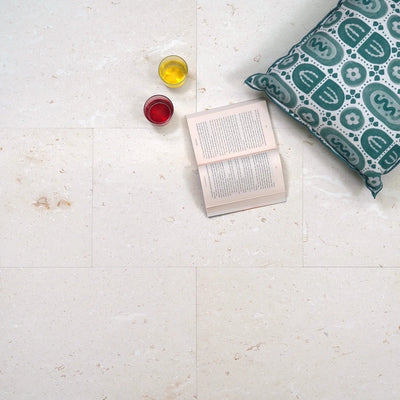
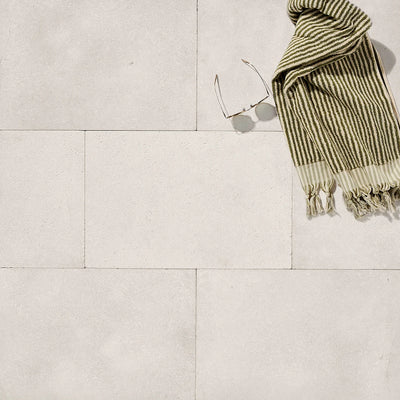
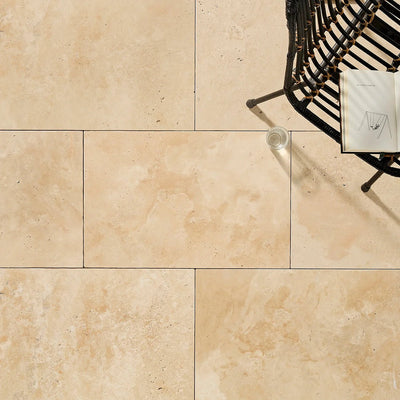
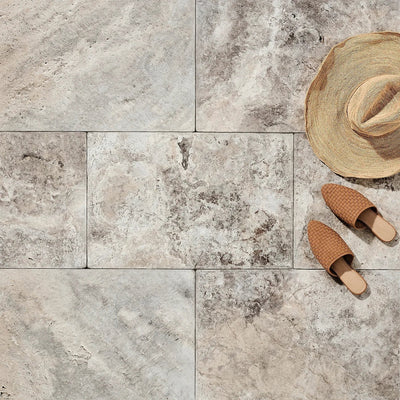
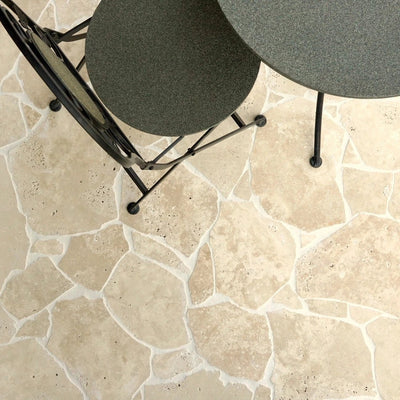
Travertine, granite, bluestone, sandstone and limestone each behave differently outdoors. Lighter stones like travertine and limestone stay cooler underfoot, which suits the sunny patios and alfresco. Darker stones like bluestone look sharp and modern but can get hot in full sun.
2.2 Mix Stone Through the Whole Design
You don’t have to stop at paving. Using one stone family across your space makes it feel planned rather than patched together.
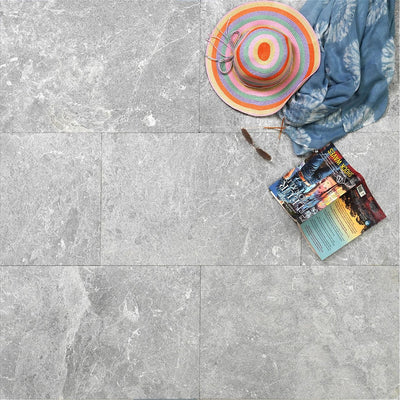
- Paving: Large stone pavers for patios, paths and pool surrounds
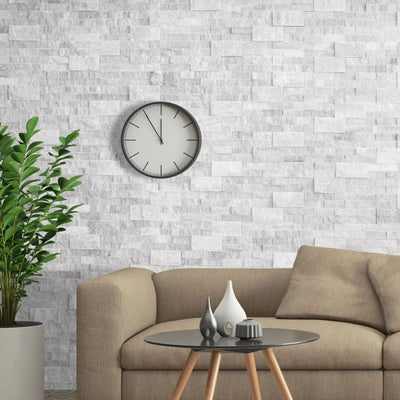
- Walling: Stacked stone or stone-clad retaining walls that add structure and handle level changes
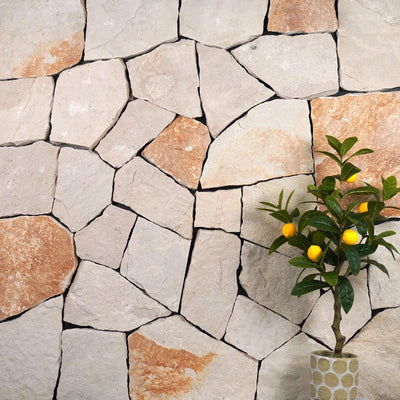
- Stepping: Stone steps and stepping stones that join the lawn, garden and entertaining areas
3. Avoid Odd Colour Combinations
Clashing or overly bold colours can make an outdoor space look chaotic and date quickly. Outdoor colours also behave differently in natural light, which can wash out some shades and make others look a bit too much. Keep the palette simple, with two or three tones that suit your house exterior, fencing and plants. It’s smarter to go with free samples and check them outside at different times of day before you decide.
4. Avoid Poor Outdoor Planning
This one is important, as poor spacing and planning cause cramped layouts, awkward walkways and structures that don't suit the way you use the space. Common mistakes include placing a dining area too far from the kitchen, leaving too little room to move around furniture. This blocks the natural paths across the yard.
So, it is important before building to mark out the layout on the ground and walk through it. Check where people will sit, cook, walk and gather, then adjust until it flows.
5. Drainage and Ground Preparation
If you are thinking about how important drainage is in landscaping, well it plays a crucial role. Poor drainage is the mistake that does the most hidden damage. Water that sits near your house can lead to damp walls, foundation movement, erosion and dead lawns.
A few common drainage mistakes that homeowners make:
- Ground that slopes toward the house instead of away
- No stormwater plan for heavy rain
- Blocked or missing agricultural drains
- Paving laid flat with no fall
Planning tips: Ask for a slight fall away from the house, check where downpipes discharge and keep drains clear of leaves. If water already pools after rain or your yard is on a slope, call a licensed professional. Fixing drainage after the landscaping is finished costs far more than getting it right first.
6. Leaving Outdoor Lighting until Last
Many homeowners plan the layout and the finishes, then think about lighting last. By then, the paving is down and adding cables means digging it up again.
Good lighting makes the space safe, usable after dark and more inviting. Plan for:
- Safety: Low level lights show where the surface ends and other begins. It’s important to have lights around steps, paths and driveways.
- Mood: The best is to go with the soft lights on gardens, trees and seating areas for visibility and aesthetics.
- Function: Go with the brighter task lighting near outdoor kitchens for visibility and ease of movement.
Warm, low-glare lights usually feel better than harsh floodlights. Use a licensed electrician, since outdoor wiring must meet Australian electrical rules.
7. Plan for Outdoor Privacy
Nobody enjoys relaxing in a yard that feels watched. Privacy is often forgotten until the new deck is built and the neighbour's window is suddenly in full view.
Here are few options:
- Screens and slatted fences: They are quick and stylish while adding structure and aesthetics to your space.
- Hedging and tall plants: A natural screening option, but slower to grow. A great choice for long-term use.
- Pergolas with climbers: Covering overhead Shade with natural screening as climbing plants naturally cover the structure.
- Raised planters: Use leafy planters with tall leaves to create privacy and this also adds up to the space greenery.
What Budgeting Mistakes Do Homeowners Make?
The biggest budgeting mistakes are having no contingency, underestimating groundwork and labour, forgetting permits, upkeep costs and choosing the cheapest quote. Most blowouts come from costs hidden beneath the finished space.
- No contingency Plan: Set aside 10-15% for surprises like rock, old pipes or weather delays. It's better to check according to your project and then estimate.
- Underestimating groundwork: Excavation, site access, drainage and access removal of material often cost more than the visible materials.
- Forgetting permits and upkeep: Council fees, sealing stone and regular cleaning all add to the total.
- Choosing the cheapest quote: A low price can leave out drainage, base preparation or clean-up. Compare itemised quotes line by line.
Rough budget guide: Materials 40-50%, labour 30-40%, drainage and groundwork about 10%, contingency 10-15%. This is just a rough estimate; the rest of the split will depend on your site and design.
Conclusion
Most outdoor renovation mistakes come down to the same few things: overlooking Australia's climate, picking materials on looks alone, ignoring drainage, underestimating the budget and leaving lighting and privacy as an afterthought. Plan these early and your outdoor space will be comfortable and long-lasting.
Book a free consultation with our team.
FAQs
Q.1 What should I consider before starting an outdoor home renovation?
Ans. An outdoor home renovation is a one-time investment so look for the right drainage system, colour combination of paving and walling and the overall layout. Also plan your budget, privacy & safety settings for outdoors. Don’t forget to use the materials as per your climate conditions to avoid future repairs and replacements.
Q.2 What outdoor upgrades add the most value to the home?
Ans. Entertaining areas like decks, alfresco spaces and pergolas usually add strong appeal, as do quality landscaping, lighting, privacy fencing and tidy pool surrounds. It is always smarter to speak with the local real estate agent before spending money.
Q.3 What is the best time of year to renovate outdoors in Australia?
Ans. Dry, mild seasons are usually the best. In the tropical north, that is the dry season while southern regions often suit autumn and spring. Avoid heavy rain or extreme heat which delays work and affects materials.
Q.4 How Much Maintenance Does an Outdoor Space Need?
Ans. Every outdoor surface needs some upkeep, so don't forget to clean your stone routinely with a pH-neutral cleaner and seal it with a quality sealant.